
3D Printing in Surgery: From Digital Design to Absolute Precision
Modern medicine is undergoing a revolutionary transformation as medical 3D printing technology moves from research labs directly into operating rooms. The days when surgeons relied solely on two-dimensional images, such as X-rays and CT scans, to plan complex procedures are coming to an end.
Today, Get3D brings digital guidance and personalized surgical guides to the doctor's service, ensuring unprecedented levels of accuracy and safety for the patient.
What is 3D Printing in Surgery?
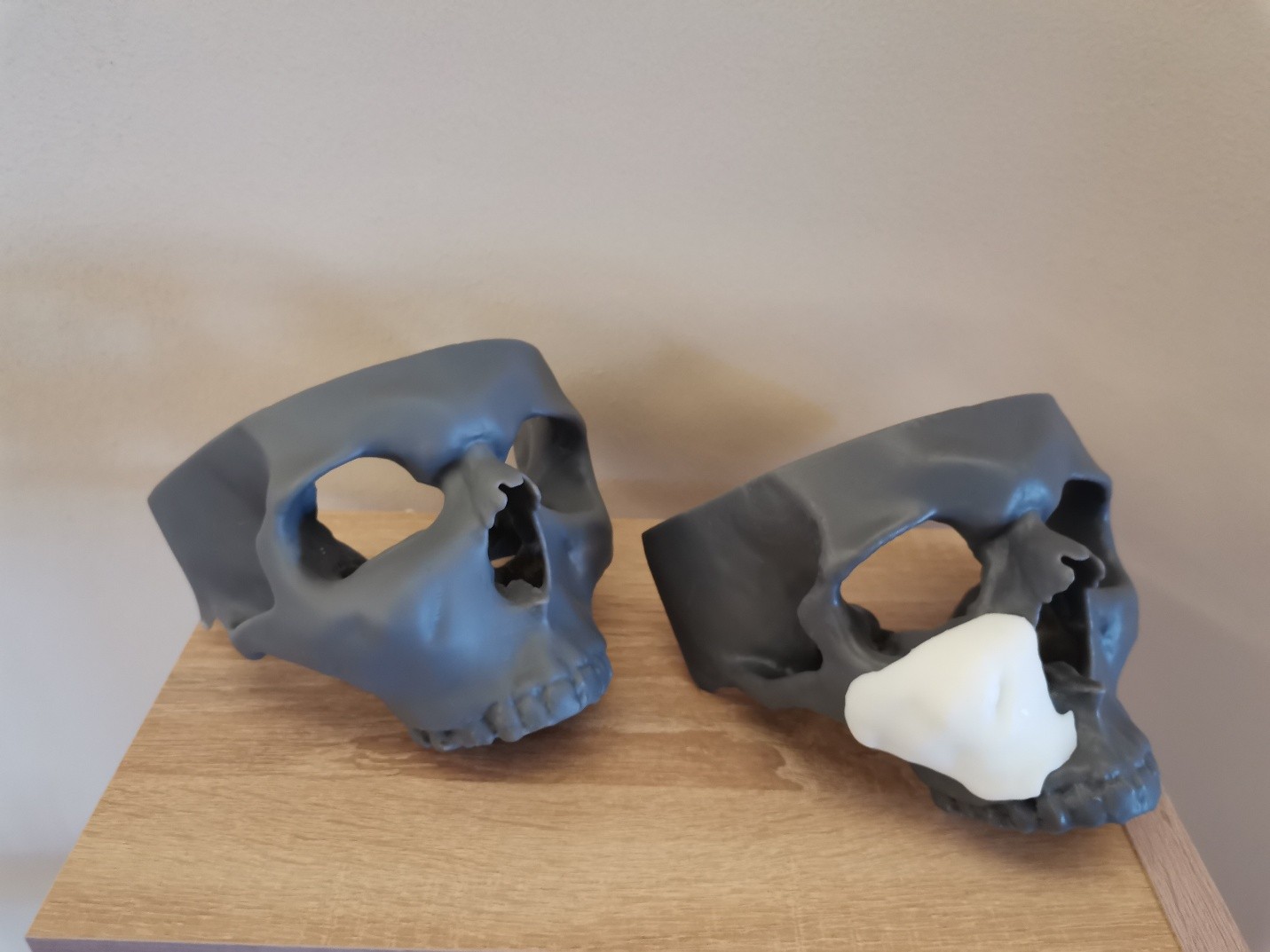
3D printing in medicine is the conversion of medical data into physical, three-dimensional models. Through this process, patient-specific models and surgical guides are created that are fully adapted to the anatomy of each patient.
This approach allows for better preoperative planning, increased accuracy, and a significant reduction in complications.
The Modern Digital Workflow
The process of creating a 3D printed surgical guide is a meticulous sequence of digital and physical steps, ensuring that the final device perfectly fits the patient's anatomy:
Downloading Imaging Data
The process begins with high-definition medical imaging, such as computed tomography (CT scan or CBCT), which is a digital imprint of the anatomy.
3D Segmentation
Specialized software converts 2D images into an accurate 3D digital model.
Virtual Surgical Planning
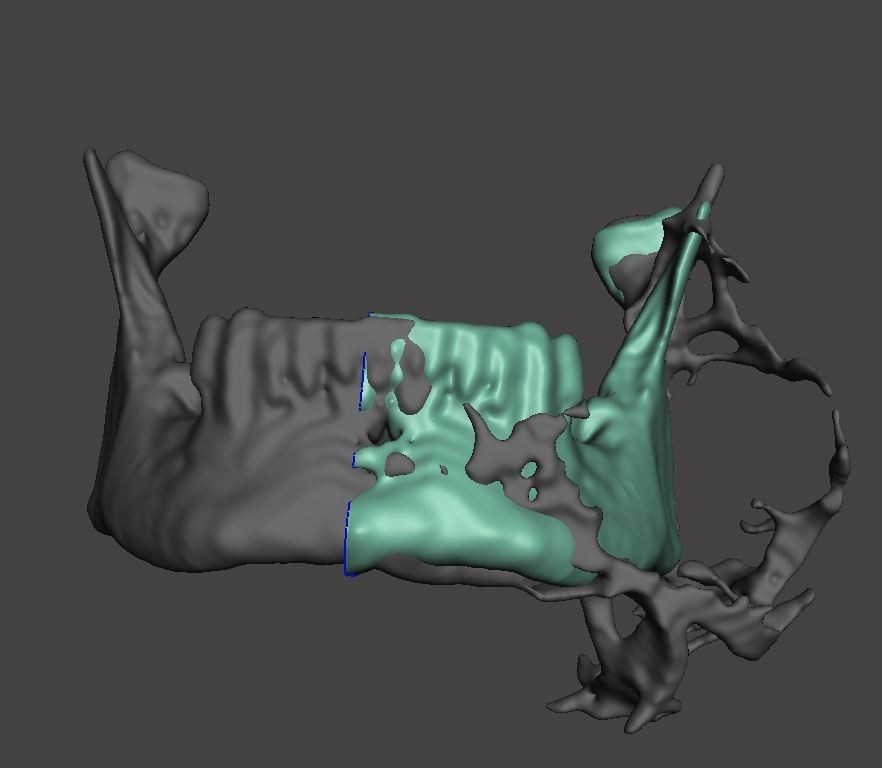
The surgeon, in collaboration with Get3D engineers, studies the 3D model and virtually performs the surgery, precisely determining the movements that need to be made.
Surgical Guide Design
The personalized surgical guide is designed on the digital model, which guides the instruments with absolute precision.
3D Printing and Post-processing
The guide and anatomical models are printed with certified, biocompatible materials and then cleaned, hardened and sterilized.
Preoperative Simulation
The surgeon can test the procedure on a physical model, verifying proper fit and reducing the chances of failure.

Efficiency and Accuracy: The Benefits
The use of 3D printed surgical guides is not just a technological upgrade, but a substantial improvement in the surgical process.
The accuracy is millimeter-level, as the guide transfers the digital plan with absolute fidelity to the operating room. At the same time, the surgical time is significantly reduced, since the movements are predetermined.
Predictability is increased, while complications are limited, leading to faster recovery and better postoperative outcomes for the patient.
Applications of 3D Printing in Surgery
3D printing in surgery finds application in many areas of medicine.

In orthopedics
3D printing in orthopedics helps in the precise planning and execution of complex procedures, using personalized anatomical models and surgical guides for maximum accuracy.
In maxillofacial surgery & Dentistry
In maxillofacial surgery and dentistry, medical 3D printing allows for the precise placement of implants and the creation of surgical guides adapted to the patient's anatomy.
In neurosurgery
3D printing in neurosurgery offers a better understanding of complex anatomical structures, while contributing to safer and more predictable surgical planning.
Get3D as a Digital Partner in Medicine
At Get3D, 3D printing in medicine is not just a printing service, but a comprehensive partnership.
Our team is experienced in medical 3D design and supports the physician at every stage of the process. From guidance on imaging protocols to the selection of appropriate biocompatible materials, we ensure a highly accurate result.
Contact us to design your own personalized surgical guide together and upgrade the level of precision of your operations.
If you already have medical data or 3D files, you can get started immediately through Get3D's Online 3D Print service.
Frequently Asked Questions (FAQ)
What are surgical guides?
They are personalized tools that guide the surgical instruments according to the preoperative plan.
How accurate is 3D printing in surgery?
Accuracy reaches the millimeter level, ensuring high reliability.
Are the materials safe?
Certified, biocompatible materials suitable for medical use are used.

