
3D Printing Spare Parts
The manufacture of spare parts with 3D printing is one of the most efficient and flexible solutions for professionals and businesses that need immediate replacement of components or the creation of custom parts.
In many cases, spare parts are either not available on the market or have high production costs through traditional methods, such as mold making.
Using technologies such as FDM, SLA, SLS and MJF, it is possible to produce durable and functional parts with high precision, in a short time and without the limitations of mass production. 3D printing allows the manufacture of a single part or small production runs with full control over the design and properties of the final object.
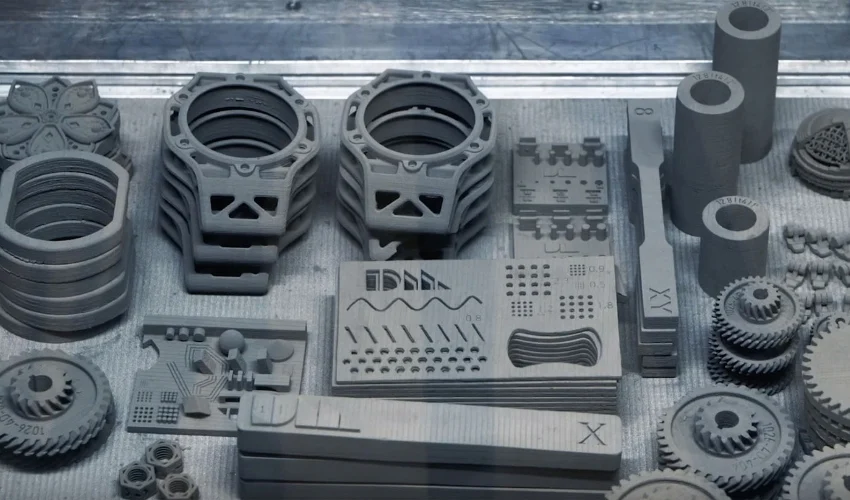
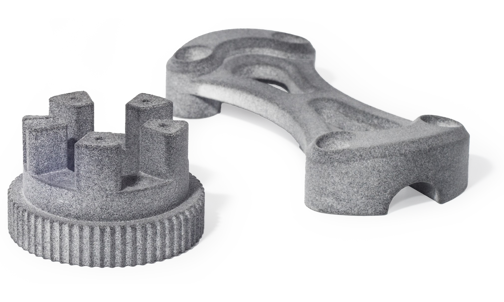
When do we choose 3D Printing for Spare Parts?
3D printing is an ideal solution in situations where flexibility, speed and customization are required. Specifically, it is used when a spare part is no longer available or has been discontinued by the manufacturer, when an existing part needs to be modified or improved, or when an immediate replacement is required to avoid downtime in equipment or production.
Furthermore, in cases where the cost of mold manufacturing is disproportionately high for small quantities, 3D printing offers a cost-effective solution. The ability to quickly produce and test different versions allows for continuous optimization of parts, which is particularly important for engineers and technical projects.
What kind of spare parts can be manufactured?
3D printing covers a wide range of applications and can be used to manufacture different types of parts, depending on the requirements of each project.
Among the most common applications are mechanical components, bases and supports, protective covers, automotive and machine components, as well as functional parts used in production processes. In addition, it is possible to create custom adaptations, which do not exist on the market and are designed from the ground up for specific needs.
The ability to produce complex geometries at no additional cost makes 3D printing ideal for applications where a high degree of customization is required.
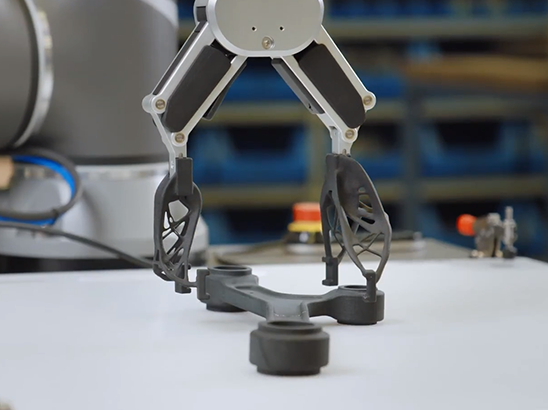

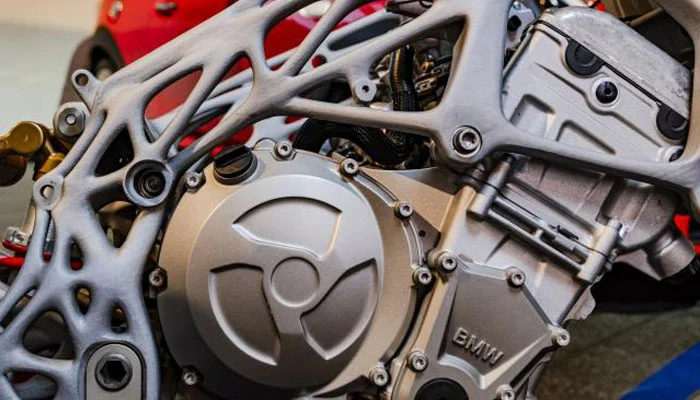

3D Printing Technologies for Spare Parts
Choosing the right technology is critical to the performance and durability of the final part. Each technology offers different advantages, depending on the application.
Materials for 3D Printing of spare parts
The choice of material directly affects the strength, flexibility and behavior of the component during use.
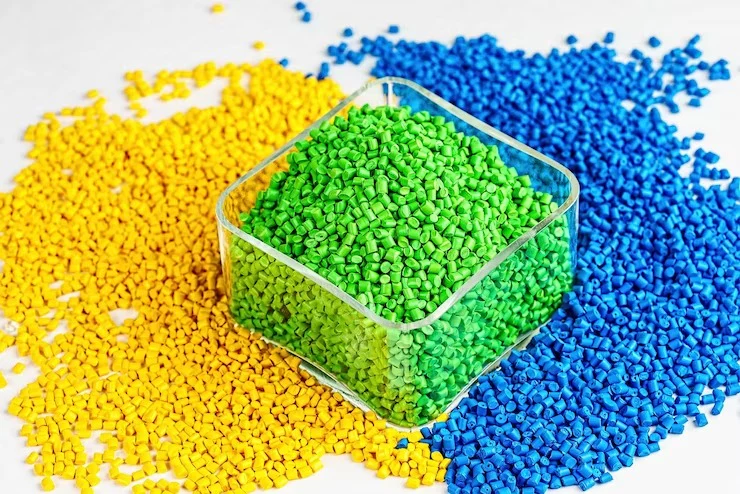
Materials like PLA are mainly used for simple applications and non-demanding components. PETG and ABS offer greater durability and are used in more demanding conditions, while ASA offers additional resistance to outdoor conditions and UV radiation.
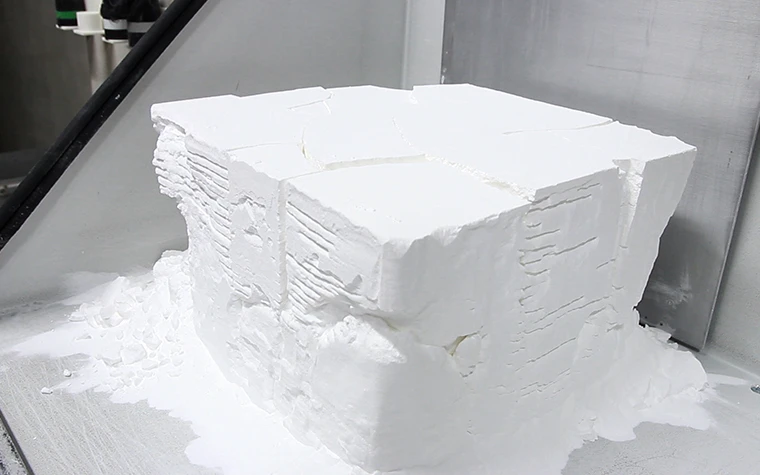
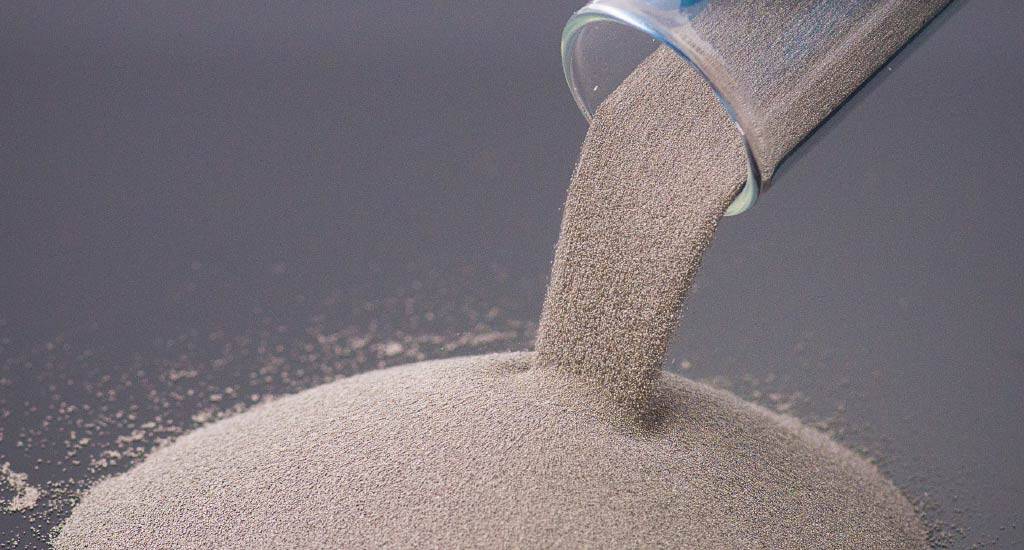
For more demanding applications, nylon materials (PA12, PA11) used via SLS and MJF technologies are an excellent choice, as they offer high strength, fatigue resistance and long life. In addition, carbon fiber reinforced materials can be used for applications requiring increased stiffness and mechanical performance.
The correct choice of material depends on the use of the part and the conditions in which it will operate.
Advantages of 3D printing spare parts
Using 3D printing to manufacture parts offers significant advantages over traditional manufacturing methods. Production speed is one of the most important factors, as a component can be manufactured in a few hours or days, instead of weeks.
The cost is significantly lower for small quantities, since no mold construction is required. At the same time, the ability to customize allows the manufacture of parts exactly according to the user's needs.
Additionally, 3D printing allows for design optimization, resulting in lighter and more efficient components, without compromising strength.
Online costing
How to orderThe process of ordering parts using 3D printing is simple and fast. If you already have a 3D model file, you can use the Online 3D Print service to upload your file and receive an instant quote.
"If you don't have a file, we can create it for you via 3D designing or 3D Scanning»
In case there is no file available, the component can be designed from scratch or rebuilt through reverse engineering, using the existing object as a base.
Proper guidance in the selection of technology and materials ensures that the final result will fully meet the requirements of the application.

 Greek
Greek