Skip to content

MJF 3D Printing –
Multi Jet Fusion

Industrial 3D printing for durable functional components, custom parts, and small-batch production.

Functional Parts • Prototypes • Small Batch Production
Industrial-grade 3D printing with MJF

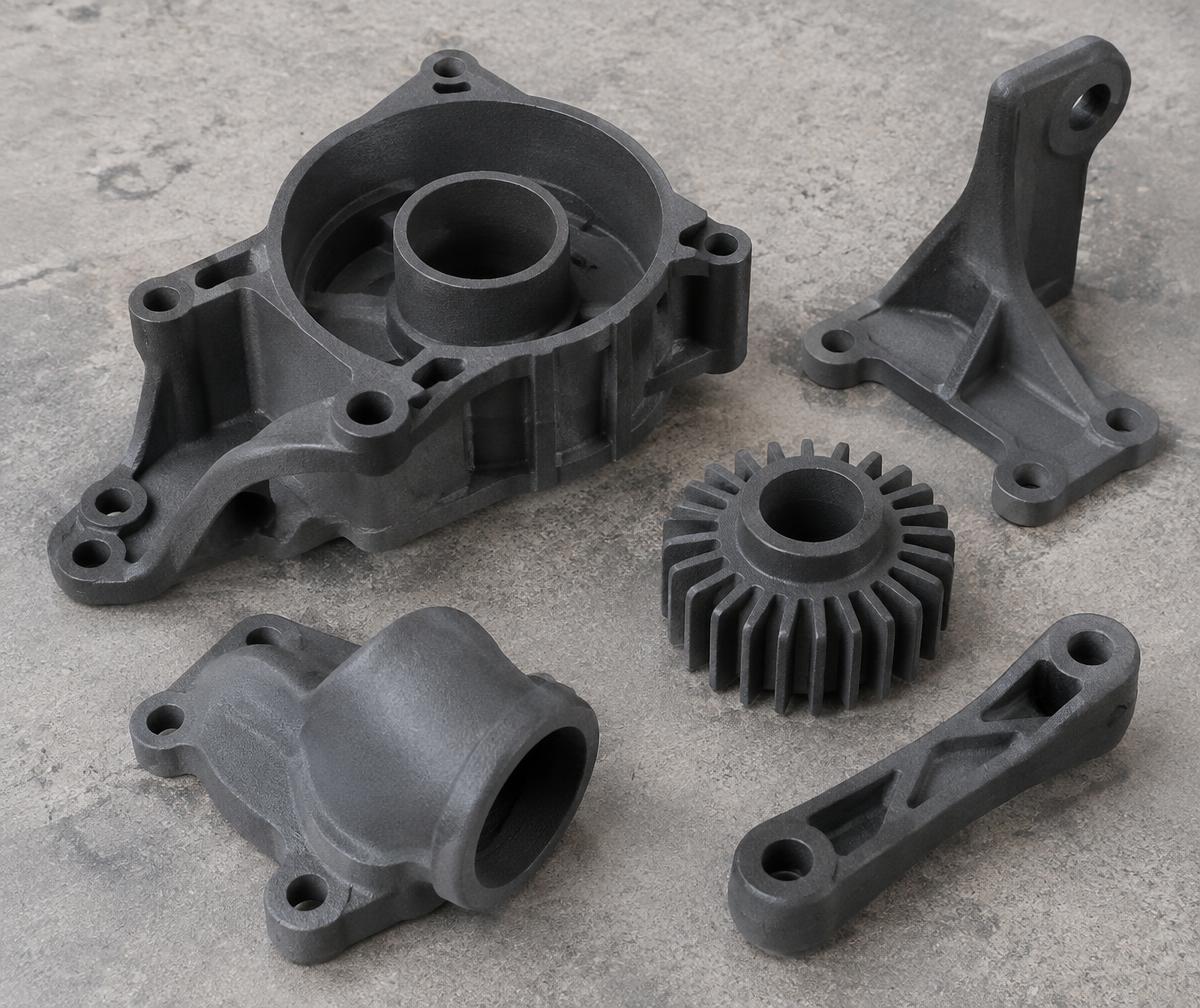
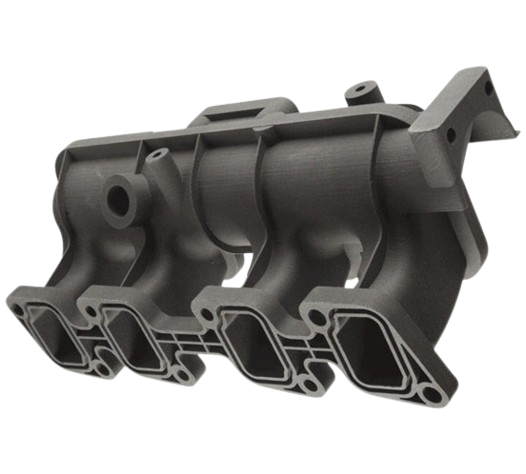
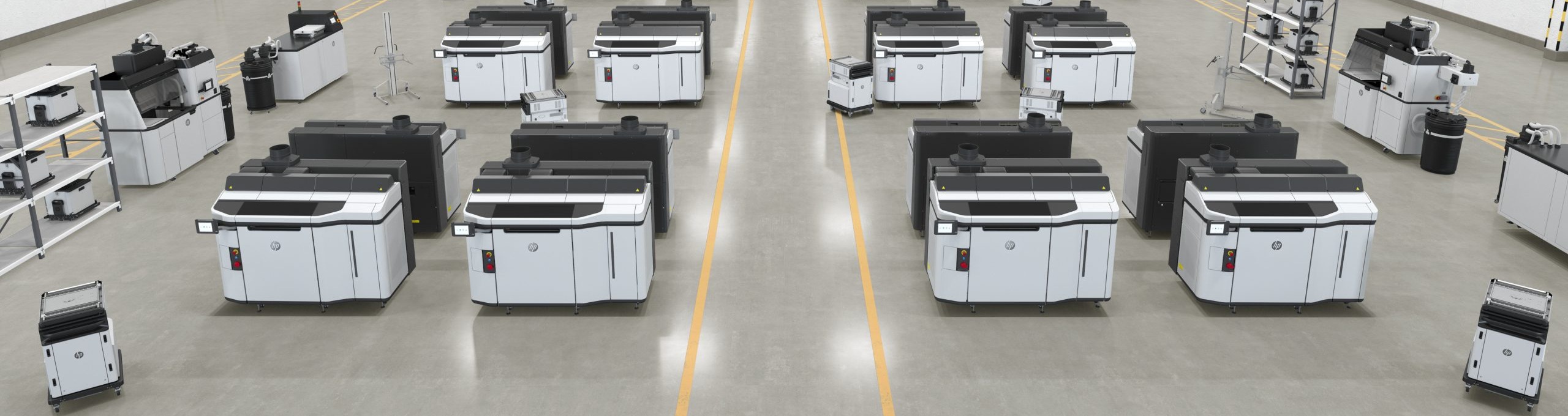
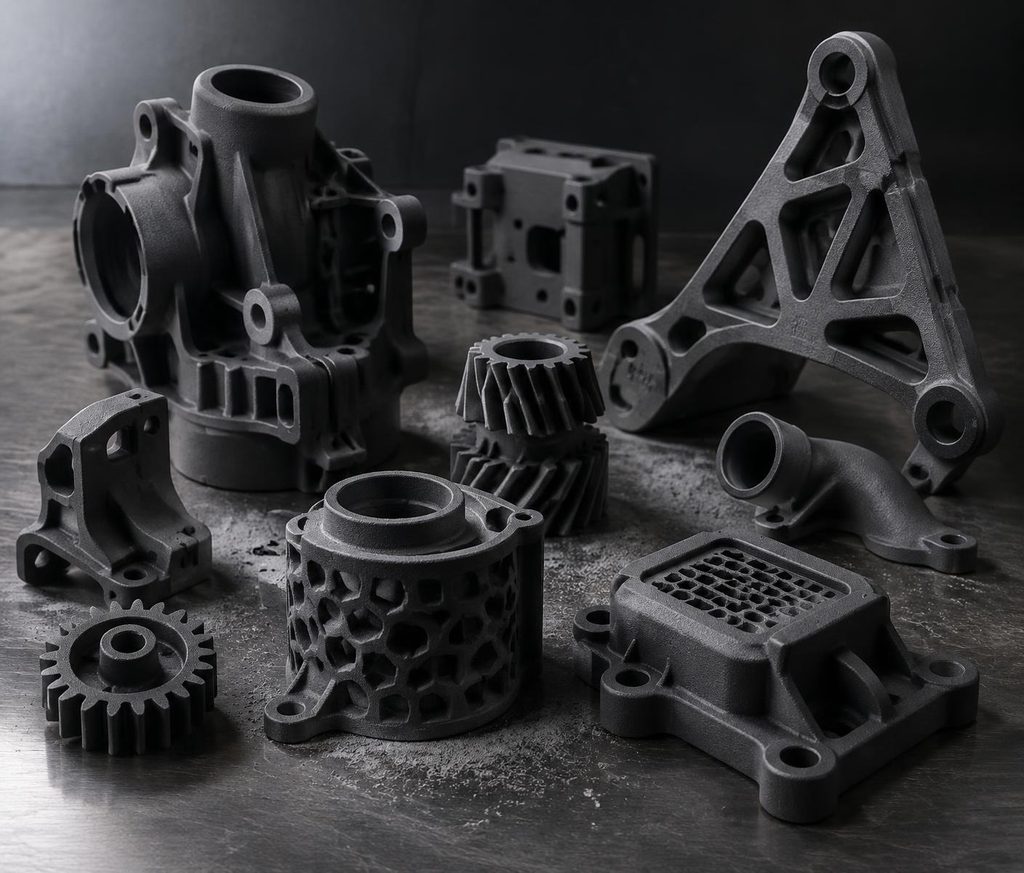
MJF (Multi Jet Fusion) is an industrial 3D printing technology for producing durable and functional plastic parts with high precision and repeatability.

MJF is particularly suitable when the requirement is not merely a prototype, but a fully functional component, a custom part, or a small-batch production run.

Learn more about 3D printing technologies→

How does MJF 3D printing work?

1
Powder Bed

Construction begins within a layer of polyamide powder.

2
Agent Application

Special agents are selectively applied to areas of the component.

3
Fusion

Thermal energy selectively fuses the material.

4
Finished Part

The final component is cleaned and prepared for use.

Why choose MJF?

1
Functional Parts

For truly functional parts and engineering applications.

2
Complex Geometries

Complex geometries without the need for conventional supports.

3
Batch Production

Many components can be produced in the same production run.

4
Repeatability

Consistent and repeatable production for small batches.

5
No Tooling

Production without the need for mold construction.

Applications

MJF 3D Printing Applications


Functional Parts
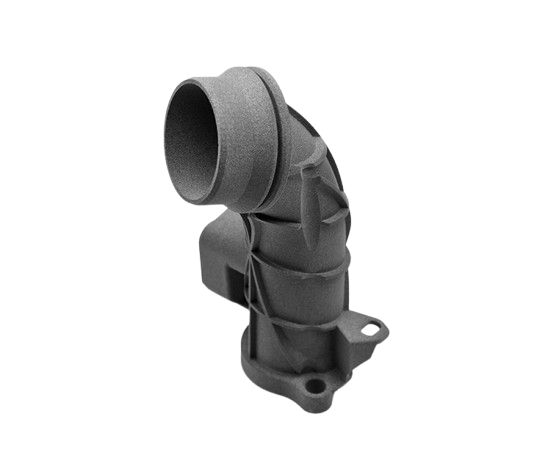
Mechanical Components
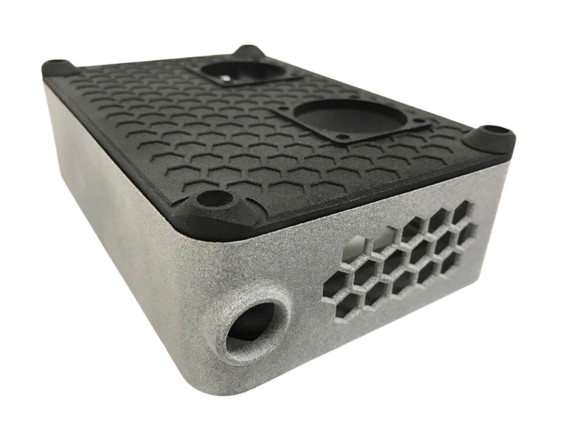
Housings & Enclosures
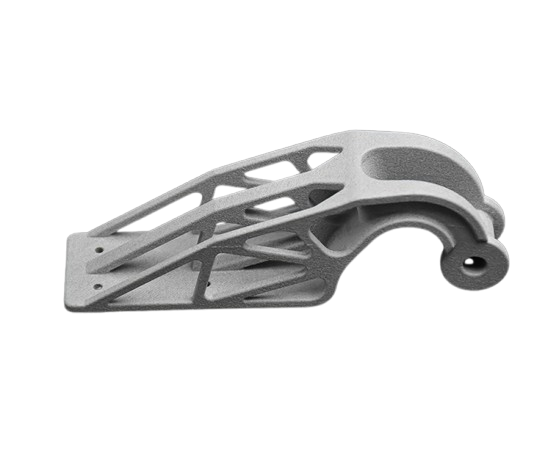

Brackets & Mounts
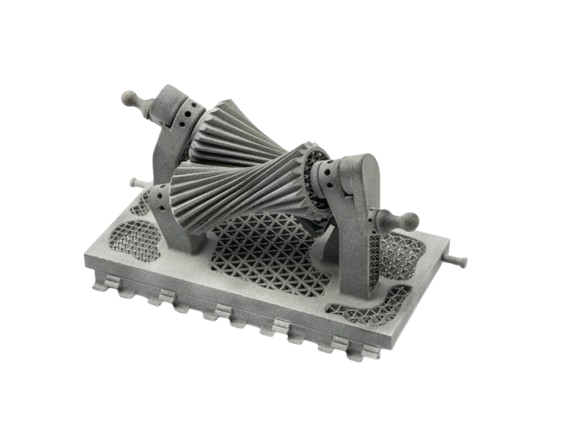
Custom Components
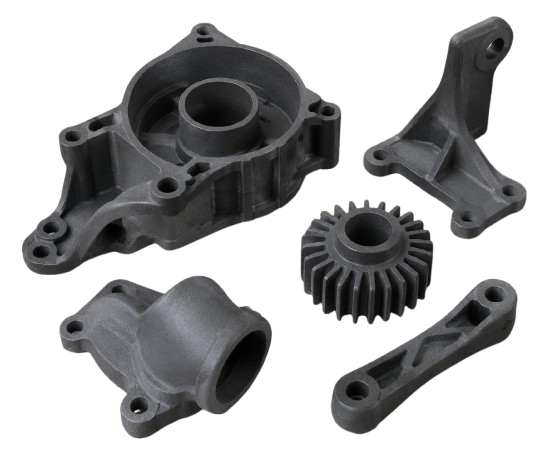

Spare Parts
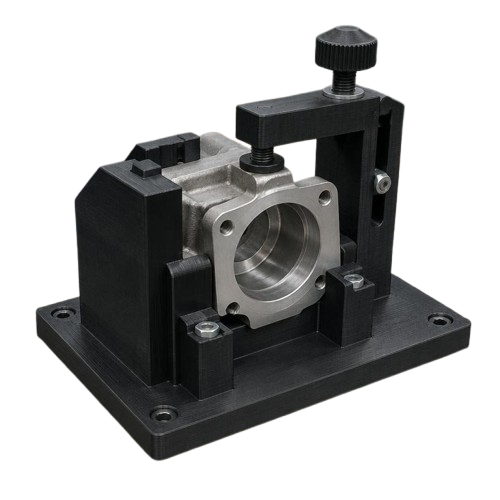

Jigs & Fixtures
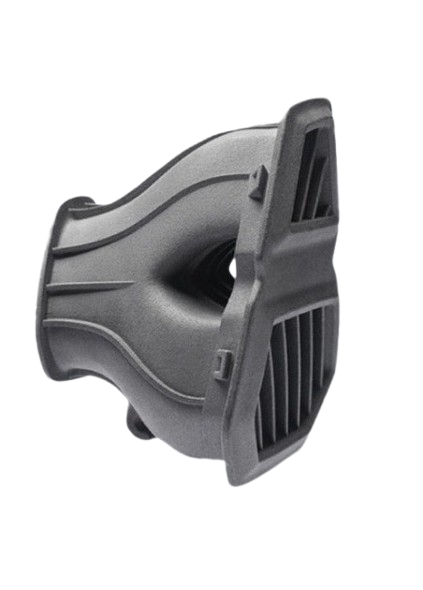
Functional Prototypes

Materials for MJF

PA12

PA12 is a key choice for MJF, offering a good balance of strength, precision, and dimensional stability. It is suitable for functional parts, mechanical components, housings, and small-batch
production.

TPU

TPU is used when elasticity and high resistance to deformation are required. It is suitable for components that need to exhibit greater flexibility compared to rigid polyamides.


PA11

PA11 Gen2 offers increased impact resistance and greater elasticity, making it suitable for functional parts that must withstand repeated stress.


PA12 GB

Glass-bead-reinforced PA12 offers increased stiffness and dimensional stability compared to standard PA12. It is suitable for parts where stiffness and dimensional stability are of particular importance.

PP

PP combines low weight, chemical resistance, and flexibility. It can be used for functional parts and applications requiring behavior similar to that of injection-molded polypropylene.


MJF 3D Printing

Industrial-grade 3D printing with MJF

MJF (Multi Jet Fusion) is an industrial 3D printing technology for producing durable and functional plastic parts with high precision and repeatability.

MJF is particularly suitable when the requirement is not merely a prototype, but a fully functional component, a custom part, or a small-batch production run.

Learn more about 3D printing technologies→

MJF for small production runs

When dozens or hundreds of functional parts are required, MJF can serve as an alternative to traditional manufacturing, eliminating the need for mold production.

A product can start as a prototype, undergo testing and refinement, and subsequently move to MJF for small-batch production.

1
Prototype
2
Testing
3
Optimization
4
MJF Production

MJF for replacement parts and custom components

When a spare part is no longer available or a small quantity of custom components is required, MJF can provide a solution without the need to manufacture a mold.

The process can begin with an existing CAD file or with the reverse engineering of a physical component.
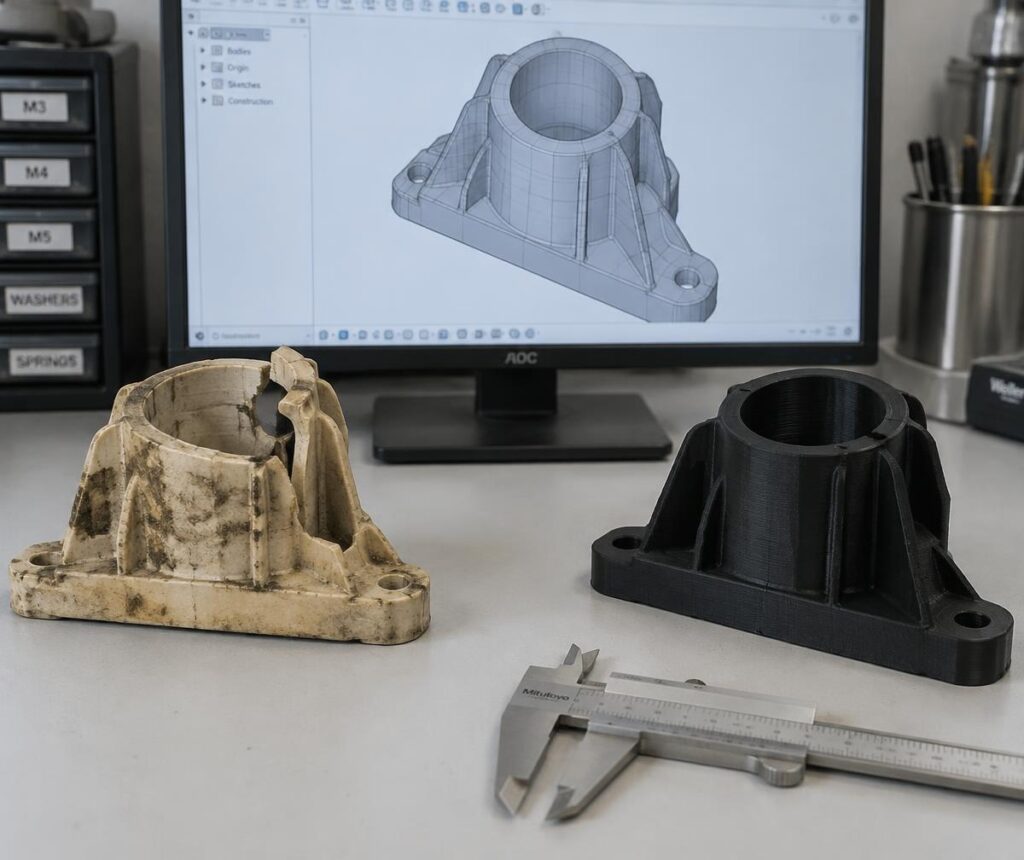
3D Printing Spare Parts→

Do you need MJF 3D printing?

Send us your 3D file or describe your application, and we will recommend the appropriate technology and material.

Συχνες ερωτησεισ

MJF (Multi Jet Fusion) is an industrial 3D printing technology that produces parts within a bed of polyamide powder. Specialized agents are selectively applied, and thermal energy fuses the material, resulting in durable and repeatable plastic parts.

Yes. MJF is primarily used when the goal is a fully functional part with mechanical requirements, rather than just a visual prototype.

The most common materials are PA12, PA11, and PA11-CF. The choice is made based on the application, mechanical requirements, and the component's operating environment.

Both technologies rely on the sintering of polyamide powder and do not require conventional supports. The right choice depends on the geometry, material, quantity, and repeatability requirements of your application.

Yes. Since many components can be produced in a single production run without a mold, MJF often serves as a solution for producing dozens or hundreds of functional parts.

Yes. MJF can be used for both individual items—such as a spare or custom part—and small production runs.

Usually an STL or STEP file. If a 3D file does not exist, Get3D can create it through 3D design or by reverse engineering a physical part.

en_USEnglish